Outdoor Flooring, SPC Flooring & Vinyl Flooring in the UAE: Which Surface Fits Your Space?

Quick Answer
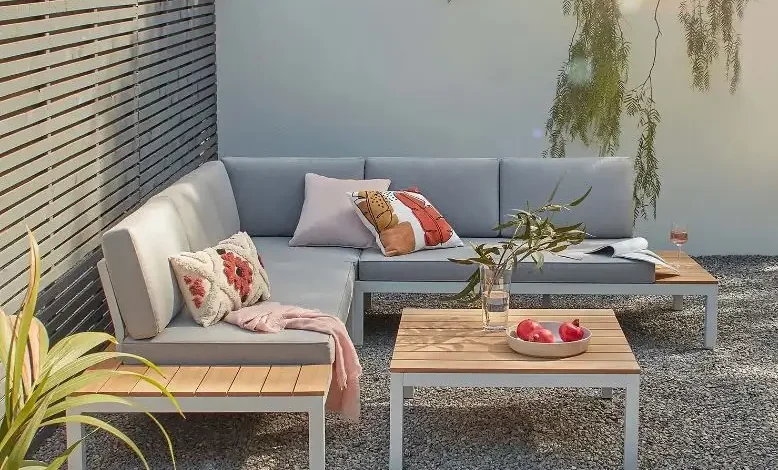
For terraces and gardens, outdoor flooring dubai options such as decking tiles, porcelain pavers and artificial grass handle sun and rain. Indoors, an spc flooring shop near me search points to rigid-core planks that resist water and dents, while vinyl flooring abu dhabi gives a flexible, budget-friendly, wide-ranging alternative. Choose by moisture, traffic and sun exposure.
Key Facts
| Flooring | Core/Material | Water Resistance | Best Location | Typical Weakness |
| Outdoor decking tiles | Composite, wood, or plastic-base | High | Balconies, terraces | Heat in direct sun, drainage needs |
| Porcelain pavers | Dense ceramic | Very high | Patios, pool surrounds | Heavier, needs flat base |
| SPC (stone plastic composite) | Limestone and PVC rigid core | Very high | Living areas, offices, kitchens | Hard underfoot |
| Vinyl (LVT/sheet) | Flexible PVC layers | High | Homes, shops, clinics | Can dent under heavy loads |
Introduction
Flooring choices in the UAE sit at the crossroads of heat, humidity, dust and heavy use. Outdoors, surfaces face temperatures that can exceed 45°C in the air and much more on dark materials in direct sun. Indoors, spills and AC-driven temperature changes challenge traditional wood floors.

This guide compares outdoor options, SPC and vinyl, giving practical points drawn from jobs undertaken by Risala Furniture and Interiors LLC for villas, apartments and shops.
Outdoor Flooring: Handling Heat, Rain and Dust
Outdoor flooring is any surface made to withstand sun, water, temperature swings and foot traffic outside. In the UAE, UV resistance and drainage are the main selection factors.
Common Options
- Interlocking decking tiles: Quick to lay on balconies and rooftops; lift out for cleaning.
- Composite decking: Wood-plastic boards that resist rot and insects.
- Natural timber decking: Teak or treated hardwood; needs oiling and care.
- Porcelain pavers: Durable and cooler than dark stone, available in anti-slip finishes.
- Artificial grass: Soft, green and low maintenance for play areas.
- Stamped or sealed concrete: Hard-wearing but needs good sealing.
What to Check
- Slip resistance: Look for rated surfaces such as R10–R11 for wet areas.
- Heat behaviour: Lighter colours stay cooler; dark surfaces can become uncomfortable barefoot.
- Drainage: Water must run off or through the surface.
- UV stability: Ask whether pigments and polymers are UV-treated.
- Base condition: A level, sound substrate prevents cracking or rocking.
- Building rules: Balcony changes in towers often need management approval and load limits.
A Business Bay apartment owner covered a balcony with dark composite decking and found it too hot at midday. Swapping to lighter interlocking tiles and adding a retractable shade made the space usable year-round except in the harshest summer hours.
SPC Flooring: Rigid, Waterproof and Stable
SPC stands for stone plastic composite; it is a rigid-core flooring made from limestone powder, PVC and stabilisers, topped with a printed decor layer and wear layer. The dense core means it is dimensionally stable and dent resistant.
Strengths
- Waterproof core: Suitable for kitchens, laundries and entrance halls (water must still be wiped from the surface).
- Stability: Less expansion and contraction with temperature than many wood-based floors.
- Click installation: Floating floors can often be installed over existing flat surfaces.
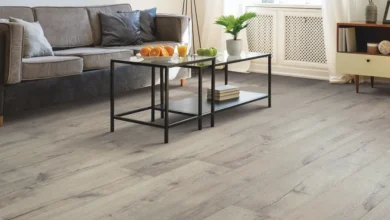
- Realistic looks: Timber and stone designs with textured surfaces.
- Thin profile: Typically 4–6.5 mm, easing door clearances.
Limitations
- Feels firm and cool underfoot; underlay or rugs help.
- Not a structural repair for uneven subfloors.
- Quality varies widely; check the wear layer (0.3–0.55 mm is common for residential and commercial grades).
- Prolonged direct sun through glass can cause heat build-up and movement in some products.
Buying Checklist
- Wear layer thickness and warranty length.
- Attached underlay and sound ratings.
- Certification for low emissions, such as FloorScore.
- Slip rating and fire classification where required.
- Installation instructions for expansion gaps and maximum run lengths.
Vinyl Flooring: Flexible and Wide-Ranging
Vinyl flooring is a resilient floor covering made of layered PVC, available as sheets, tiles and planks. It can be glued down or loose-laid, depending on the product.
Why It Remains Popular
- Soft, quiet and comfortable to walk on
- Large design range, including wood, stone and concrete looks
- Often cheaper than SPC or porcelain
- Easy to replace individual tiles or planks
- Good for commercial fit-outs where speed matters
Cautions
- Needs a very smooth substrate; imperfections can show through
- Heavy furniture can leave dents
- Some adhesives require ventilation and curing time
- Sun-exposed areas need shading to prevent discolouration or movement
Because vinyl flooring is used across Abu Dhabi and Dubai in apartments, offices and clinics, the same quality markers apply: wear layer, classification (for example ISO 10874 for resilient floors), slip rating and low emissions.
SPC vs Vinyl vs Outdoor Options
| Criteria | SPC | Vinyl (LVT/Sheet) | Outdoor Decking | Porcelain Pavers |
| Indoor use | Yes | Yes | No | Yes (some) |
| Outdoor use | Covered only | Limited | Yes | Yes |
| Water tolerance | Very high | High | High | Very high |
| Comfort | Firm | Softer | Medium | Hard |
| Cost level | Medium | Low to medium | Medium | Medium to high |
| Typical lifespan | 15–25 years | 10–20 years | 8–20 years | 20+ years |
Lifespans are indicative and depend on installation, climate and maintenance.
Step-by-Step: How to Choose
- Define the zone: Indoor, covered outdoor or fully exposed.
- Rank your priority: Waterproofing, comfort, budget, appearance or speed.
- Inspect the base: Check levelness, cracks and moisture.
- Compare data sheets: Look at wear layer, thickness, slip rating and warranty.
- Request samples: Leave one in the sun for a day to feel heat build-up.
- Plan installation: Confirm schedule, noise limits and access.
- Plan maintenance: Know what cleaners and tools to use.
Actionable Tips
- Keep a few spare planks or tiles from the same batch.
- Use door mats to trap sand and grit before it reaches indoor floors.
- Put felt pads under furniture legs.
- Rinse outdoor floors periodically to remove salt and dust.
- Avoid steam mops on vinyl or SPC unless the maker permits them.
- Read installation guidelines for temperature limits, particularly in summer.
Frequently Asked Questions
1. What is the best outdoor flooring for a Dubai balcony? Interlocking composite or porcelain tiles in lighter colours are popular choices for heat and drainage.
2. Is SPC flooring really waterproof? The core is waterproof; water should still be wiped up to protect edges and the subfloor.
3. SPC or vinyl: which is better? SPC is more rigid and dent resistant; vinyl is softer and often cheaper. Choose based on subfloor and comfort.
4. Can SPC be installed over tiles? Often yes if the tiles are flat and secure; large grout lines may need filling.
5. Does vinyl flooring fade in sunlight? Some products can fade or warp in direct sun. Use shading or UV-filtering film.
6. Is outdoor flooring slippery when wet? It depends on the finish. Choose slip-rated products for pool areas and entrances.
7. How long does installation take? Small apartments can be done in a day or two for click systems; glue-down or outdoor projects can take longer.
8. Do I need landlord approval? Usually yes in rented properties, especially for outdoor or fixed changes.
9. How do I clean SPC and vinyl? Sweep or vacuum, then mop with a neutral cleaner and well-wrung mop.
10. Where does Risala Furniture and Interiors provide its services? Risala Furniture and Interiors LLC provides its services in UAE ,OMAN , QATAR, SAUDI ARABIA , KUWAIT , BAHRAIN and all across the Gulf and Middle East region.
Key Takeaways
- Outdoor floors need UV resistance, drainage and cooler colours.
- SPC is rigid, stable and highly water resistant.
- Vinyl offers comfort, variety and budget flexibility.
- Check subfloor condition and technical data before purchase.
Conclusion
The best flooring is the one that fits the location, the use and the maintenance routine you can sustain. Test samples in real conditions, request documentation and consider shade for sun-exposed areas. If you need support choosing between SPC, vinyl and outdoor surfaces, Risala Furniture and Interiors LLC can advise on materials, measurements and installation.
📍 Visit us: maps.app.goo.gl/igmNHkW1QCyL19wT7